The Wandering Scot

An occasional travel journal.

Browsing Posts published by admin

Tibet: Mount Kailash

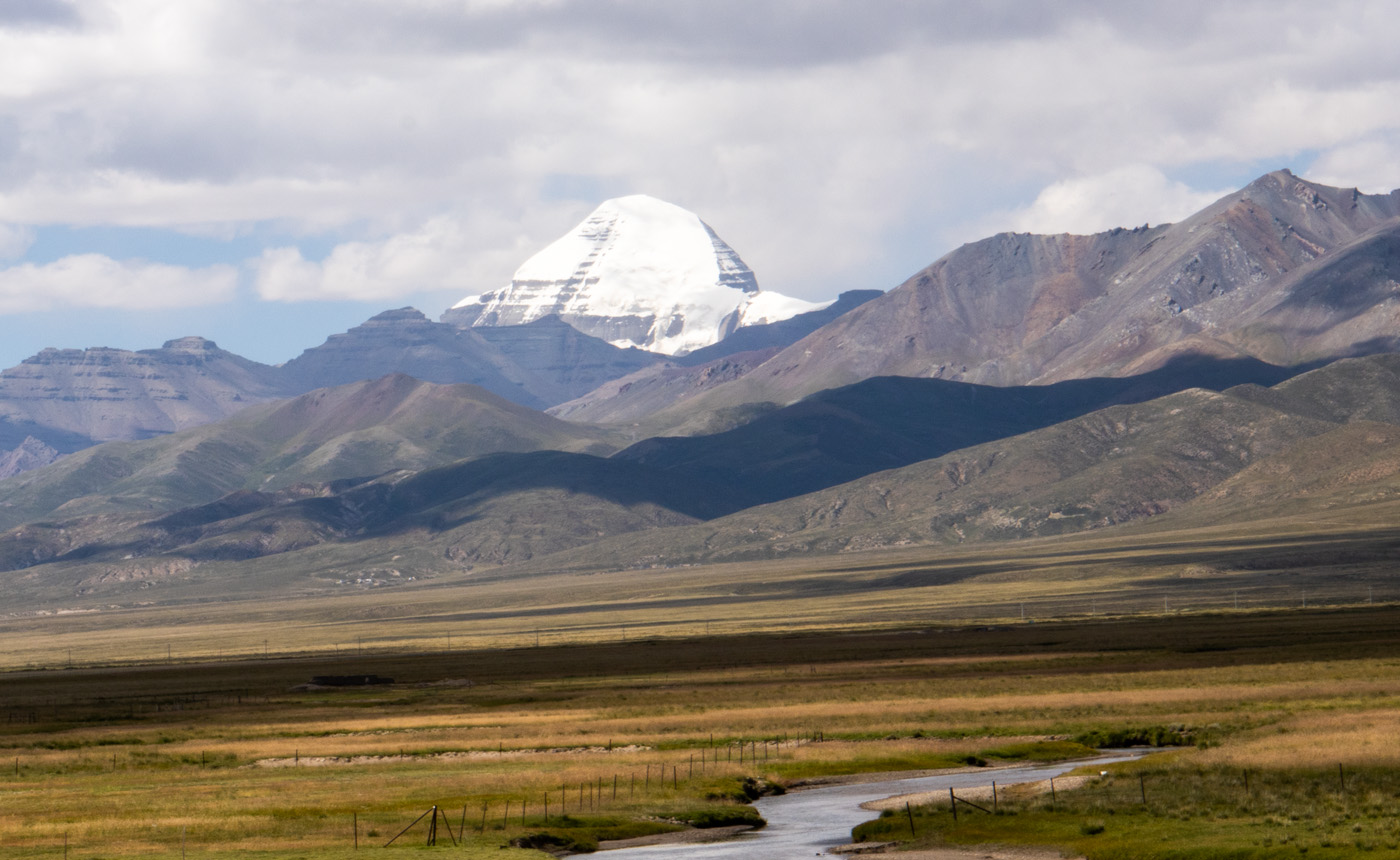
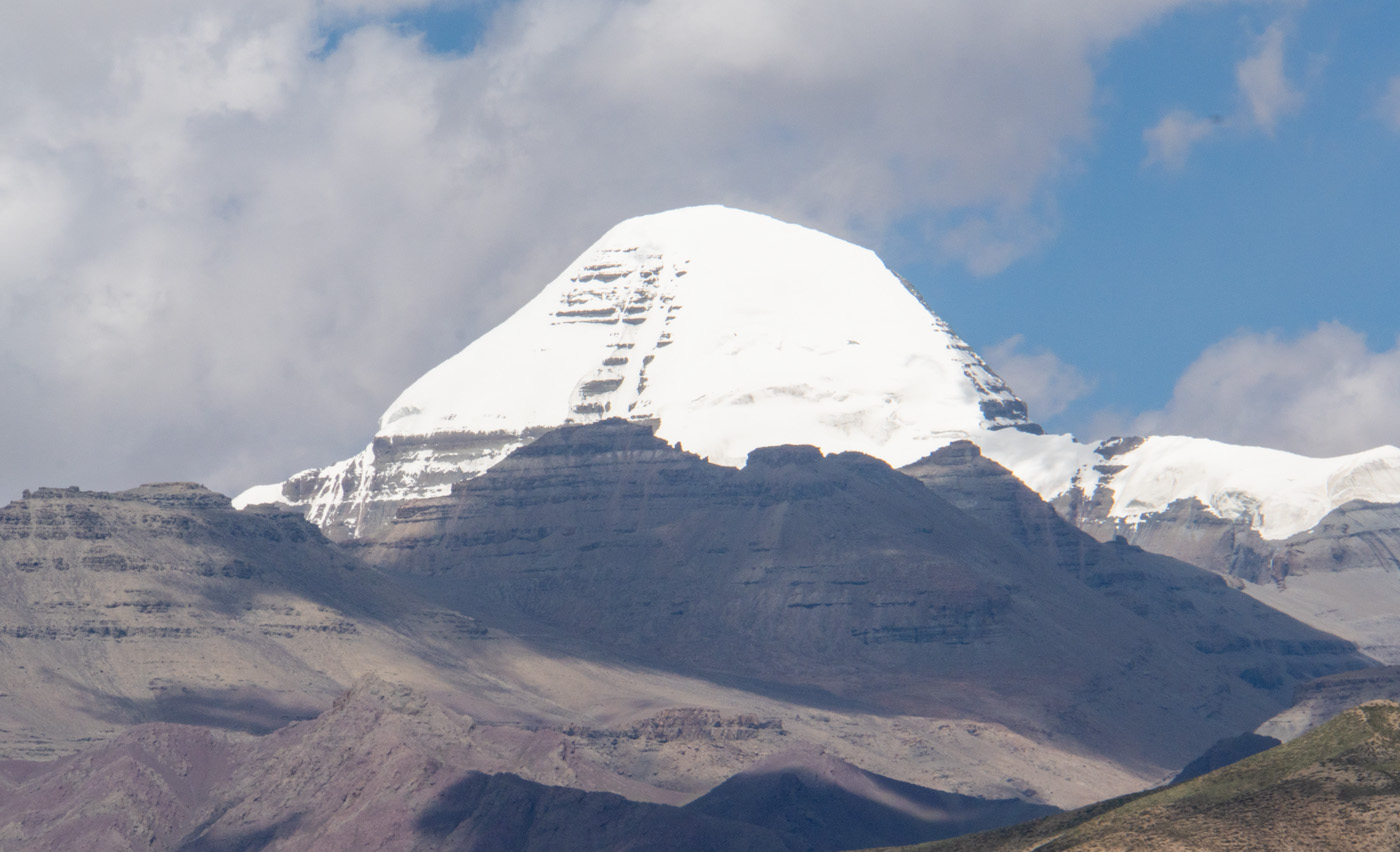
Holy Mount Kailash, the abode of Shiva, sacred to a billion Hindus, site of holy pilgrimage.  I was only visiting as a tourist, but I saw others making the sacred kora circuit around the mountain.  The Chinese government isn’t issuing visas to Indian citizens this year, but I saw a modest number of non-Indian Hindu pilgrims, plus many Tibetans and the occasional Westerner.

It was overcast and cloudy, but the sun occasionally broke through and I managed to get a few clear shots.  It’s an imposing chunk of rock, notable for its unusual almost pyramid shape.

Tibet: Everest

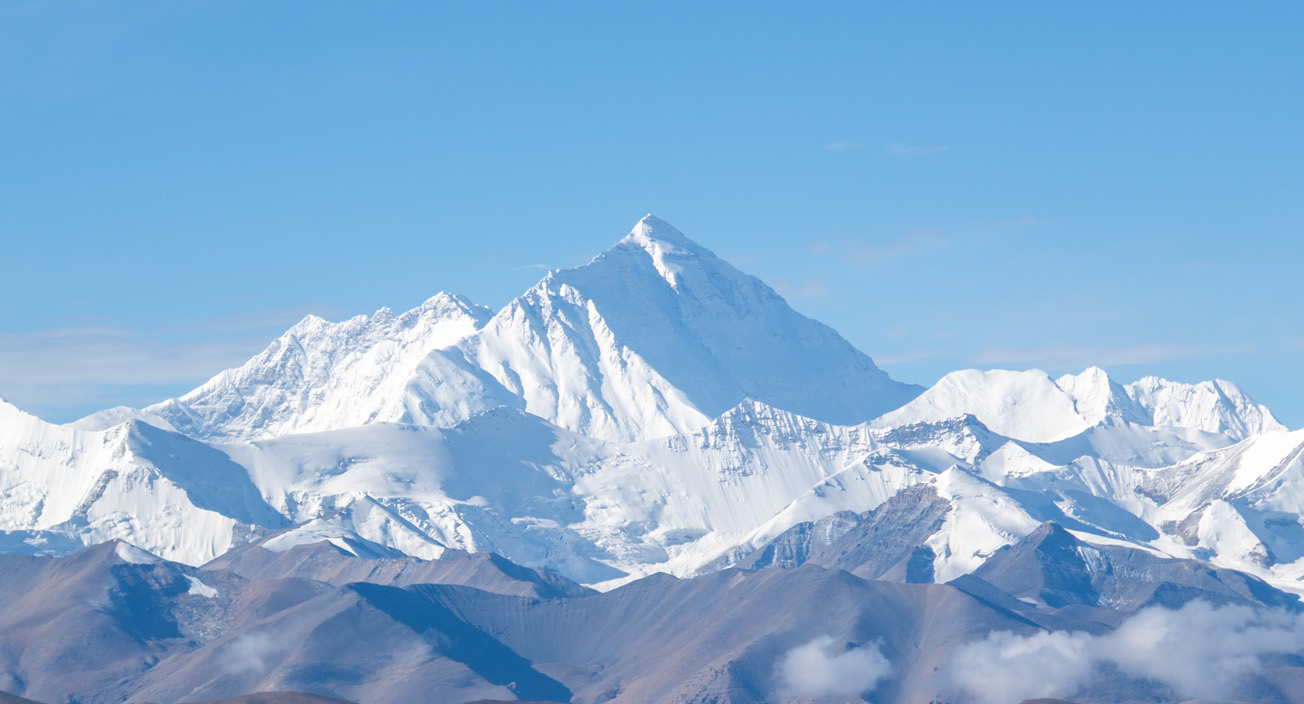
We started with a distant view of Everest, from the Pang La pass. The pass is at 5159 meters and offers stunning views on a clear day. And today was clear!

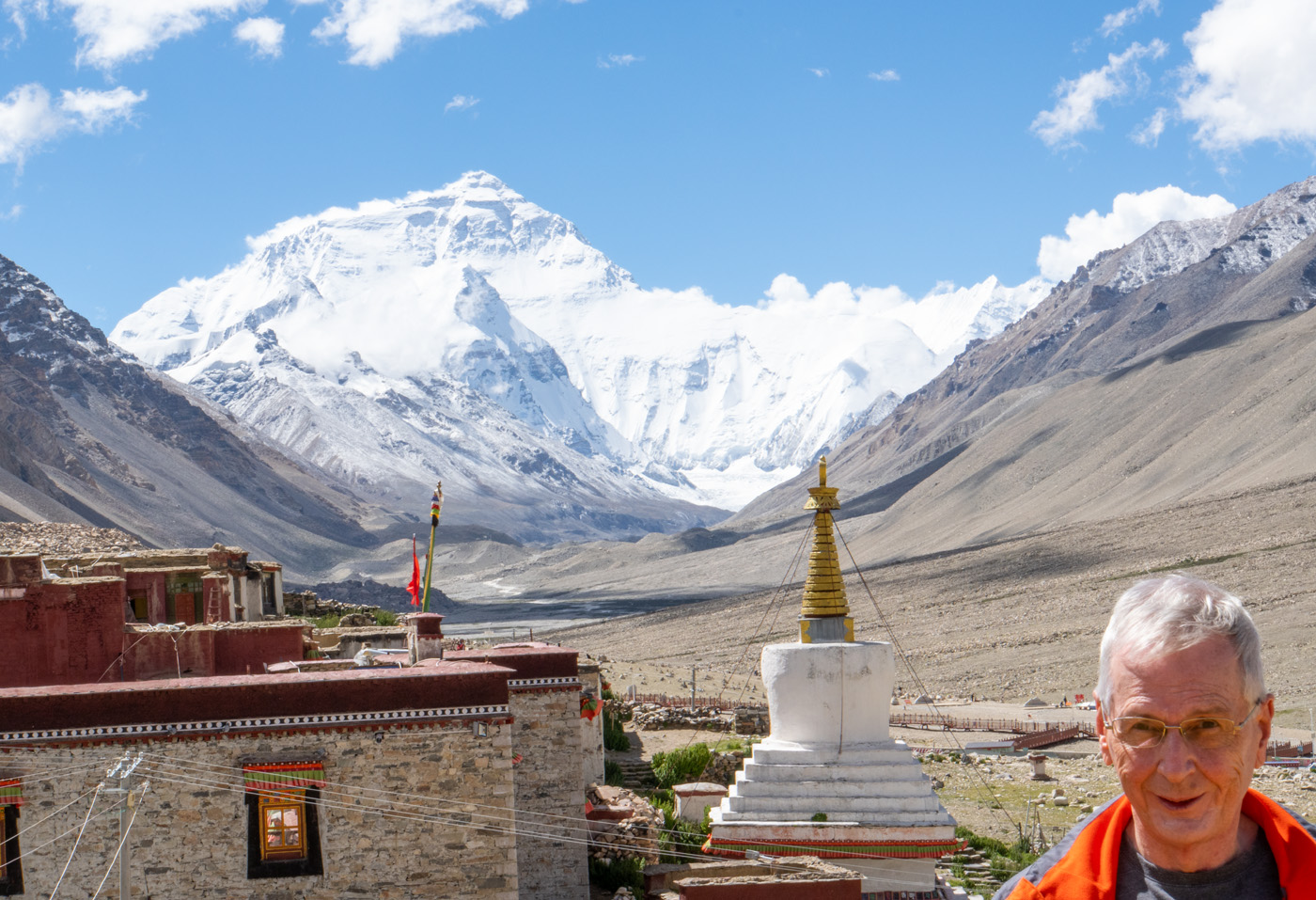
The next shot is a (relative) close-up from the Rongbuk Monastery. This now hosts the so-called “Tourist Base Camp” which is as close as mere tourists are allowed to go to His Highness.

I’m on a two week trip across Tibet.  Rongbuk is at 4965m (16289ft), so I was definitely glad I’d spent a few days to acclimatize along the way. But my trip to Rongbuk was the easy way: by tour company car and then official tourist minibus. I am in suitable awe of those who trek up to the base camp, let alone those who make the actual ascent!


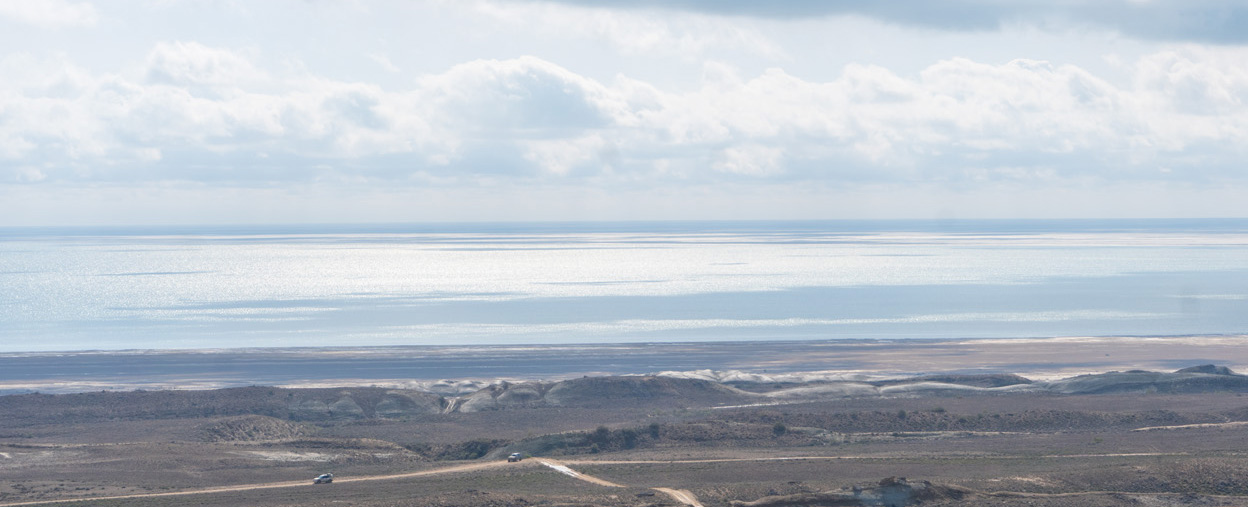
I’m in Karakalpakstan, Uzbekistan, visiting the Uzbek arm of the Aral Sea. I had visited the Kazakh arm of the sea in 2015, so I was curious to see the Uzbek side.

Unfortunately there was heavy rain the night before the trip, so the normally extremely bad dirt tracks became extremely muddy, extremely bad, dirt tracks.  It was a long and difficult drive to get to the Aral Sea yurt camp.  My Toyota Land Cruiser and its driver both had to struggle hard to get us safely through.

But anyway, I got to stay at an extremely muddy Yurt Camp and got a good view over the remaining, shrinking, Uzbek lobe of the Aral Sea.

On the way there, we passed through the once-prosperous fishing port of Moynaq.  But the sea walked away and the fisheries failed.  Many of the old fishing boats are preserved in the (in)famous Ship Graveyard on the old sea bed.

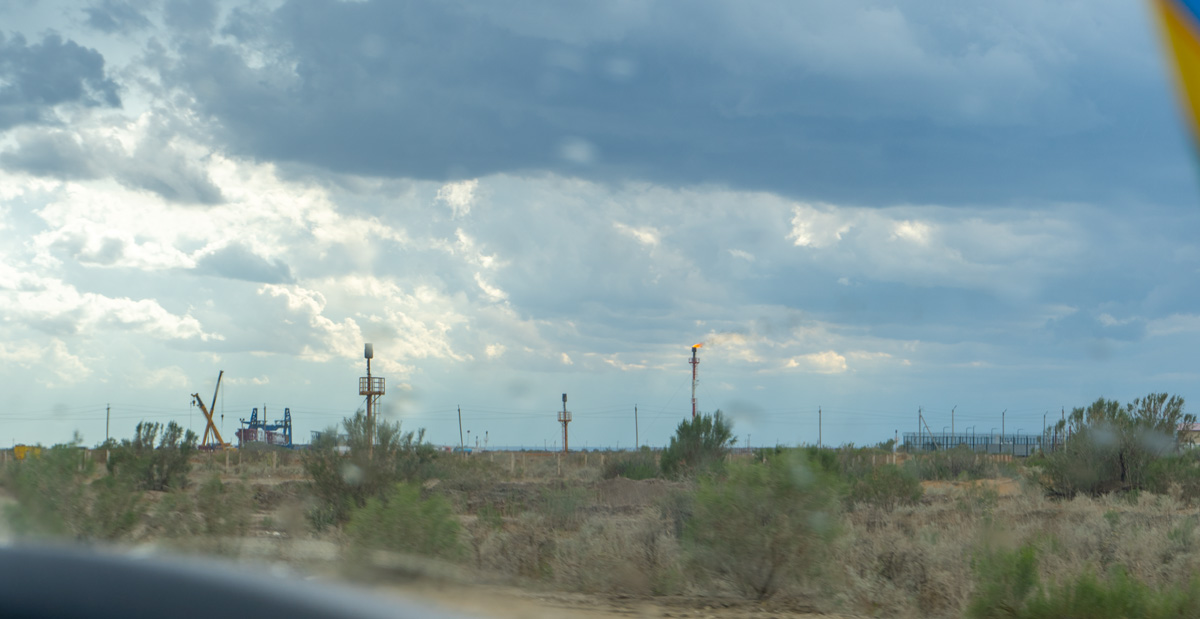
The dry Southern bed of the sea now has lots of scattered oil and gas derricks, making for a fine post-catastrophe sight.

(Just between us, I admit the mud was partly my own fault.  I had offered a slice of Napoleon cake to Poseidon the day before.  I hadn’t realized just how large and how delicious it would be.  And then of course it rained heavily that night.)


In the first century BC, King Antiochus of Commagene built a shrine on Mount Nemrut featuring rows of giant enthroned gods.  Including himself, naturally.

Sadly, later visitors did not approve. The gods were decapitated and their heads are now arranged in a neat line in front of the thrones.

When or why the decapitations occurred is entirely unknown.  But the decapitated remains make for a striking sight.

Despite everything, King Antiochus got his wish: travelers still come from far and wide to Mount Nemrut to gaze on his countenance in wonder!


Practicalities:

Mount Nemrut is around a three hour drive from the nearest major city (Şanliurfa).

The summit is at 7200′. We drove almost all the way to the top and then climbed up a couple of hundred steps to the shrine.

In winter the mountain is covered with snow and the top parts of the road are inaccessible, generally into March and sometimes into early April. Some people hike up anyway, but it sounds like quite an adventure.

There are two terraces, each with a row of decapitated gods. The East terrace has the best preserved thrones, the West terrace the best preserved heads.


I was out at the Göbeklitepe neolithic site in SE Turkey today.  It has a set of monumental structures using stone monoliths, dating from roughly 9500 to 8000 BC.  Yikes.  That’s totally ridiculously old.  It makes Stonehenge look modern.   It probably pre-dates agriculture, which causes reputable archaeologists’ brains to explode.

There are an estimated twenty stone circles, of which four have been excavated, each consisting of an outer circle of tee-shaped monolithic pillars and a pair of taller central monoliths.  The largest circle I saw dates from about 9000 BC and has an outer circle of 3 meter pillars and two central monoliths about 5 meters tall.

There are many carved designs, often of foxes, boars or birds.  There is a striking 3-D carving of a lion on one pillar.

The site seems to have been deliberately buried before being abandoned, which explains why so much ancient material has survived so well.  Archaeologists are in hog heaven, interpreting, re-interpreting, controverting and disputing.  Were the structures temples?  Was this a cult center?  Why were circles abandoned and new ones added?  Was this also a pre-urban (!?) settlement?  Were there ancient astronauts?  Stay tuned!

I also visited the neighboring site of Karahantepe.  This is from the same culture, but has at least one stone circle carved directly from bedrock.  And a carved projecting human head.  Various statues that have been found here are in the Şanlıurfa  museum (currently closed due to flooding, alas).

Sri Lanka: Tea Safari

I’m in Sri Lanka. Today I took a trip out to the Damro Company’s Labookellie Tea Lounge, and a short “Tea Safari” up into the tea plantation.

Tea from Ceylon was a well known thing when I was a lad in Scotland, so I felt strangely nostalgic at visiting a real Ceylonese Tea Plantation, seeing how it is grown, and even harvesting a few leaves.